 KEYFACT Energy

Claudio Strobbia, Chief Research Scientist and CEO at realtimeseismic
A Complete, Hands-On Journey Through Land Seismic — From Design to Delivery
realtimeseismic are pleased to launch an advanced training course in Land Seismic, designed to cover the entire project lifecycle — from early feasibility and survey design, through field execution, to processing, imaging, and project management.
The strength of this course lies in its balanced combination of theory and real-world practice. Participants do not just learn concepts in the classroom; they apply them directly using real seismic equipment, including vibroseis units, nodal recording systems, GPS positioning tools, and field QC workflows. Yes, real vibes will be available to parameterize and test signals, measure response, optimise performance, QC.
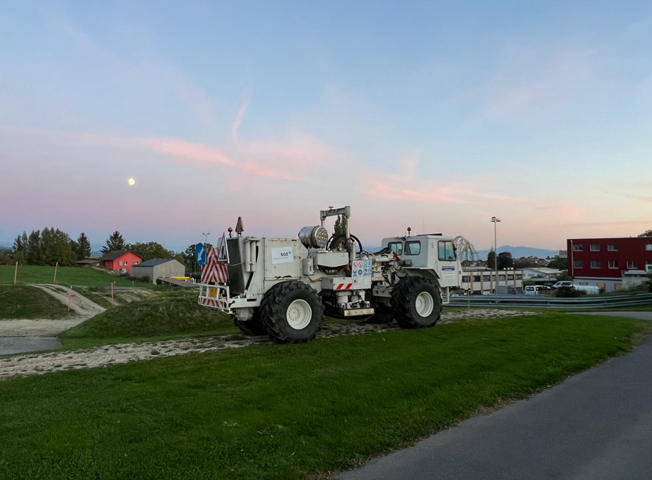
The course begins with a strong foundation in land seismic acquisition fundamentals. We revisit the physical principles of seismic wave propagation and explore the full range of source technologies — from explosives and weight-drop systems to modern vibroseis. Particular attention is given to vibrator mechanics, receiver technologies, and the industry’s transition toward nodal systems, including system architectures, data flows, and operational workflows. These topics are reinforced through hands-on sessions, allowing participants to directly interact with equipment and acquisition systems.
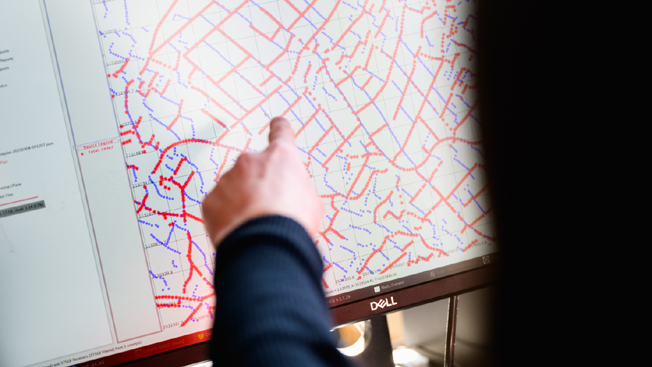
From there, we move into feasibility studies and survey design, where participants learn how to define objectives, assess risks, and translate geophysical targets into operationally feasible surveys. This includes signal and noise modelling, acquisition parameter selection, advanced vibroseis technologies, and the integration of technical designs within contractual and operational constraints. The focus is always on bridging the gap between theory and what can realistically be deployed in the field. This will cover much more than the computation of fold maps.
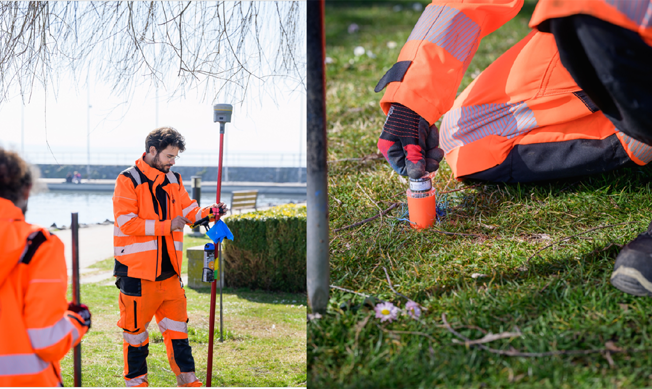
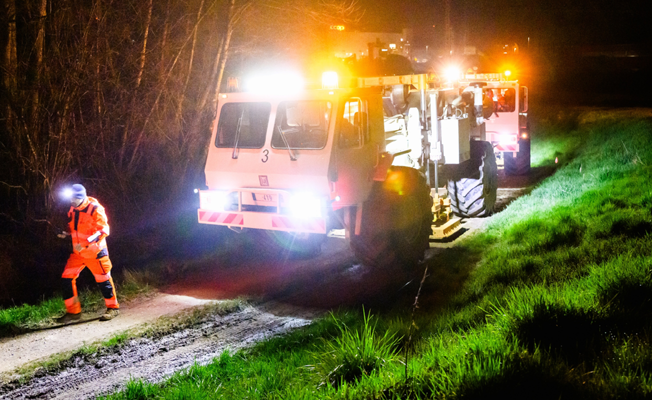
Execution is addressed in depth during a dedicated module focused on real-life field operations. Before the first shot is fired, we cover HSE, permitting, start-up audits, and modern surveying methods. During acquisition, the emphasis shifts to recording systems, source control, QC protocols for both nodal and vibroseis systems, real-time data quality assurance, rapid diagnostics, KPI tracking, and productivity management. Finally, participants gain insight into post-acquisition activities such as demobilisation, deliverables, and fast-track processing options to accelerate decision-making.
A portion of the course is devoted to land seismic processing and imaging, with a clear focus on what makes land data unique, and the link to the acquired data. We cover the full processing workflow, emphasizing differences between land and marine environments, and addressing key challenges such as near-surface effects, statics, coupling, weathering, topography, and complex noise conditions. Noise analysis is treated in detail, from coherent noise (surface waves, scattered and guided waves) to incoherent and cultural noise, as well as challenges related to high-productivity acquisition such as simultaneous source deblending and harmonic suppression.
Velocity and statics modeling are explored using refraction, reflection, and tomography approaches, leading into advanced techniques such as Land Full-Waveform Inversion (FWI). Participants are also exposed to modern imaging workflows for 2D, 3D, crooked-line, and irregular surveys, with a strong emphasis on final QC and interpretation readiness.
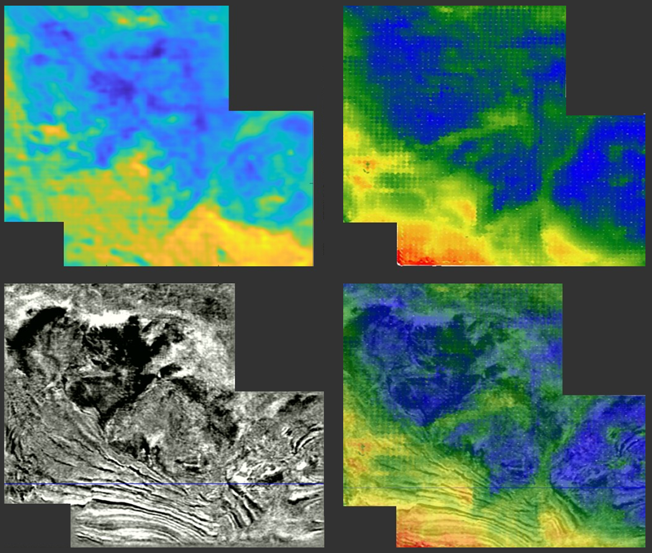
The course also introduces Distributed Acoustic Sensing (DAS), highlighting its growing role in land acquisition and monitoring.
Hands-on learning is a cornerstone of the program. Over the entire course duration, participants engage in field and laboratory exercises covering survey design, GPS-based surveying and positioning, nodal deployment and QC, source operations, sweep design, vibrator testing, and vibroseis performance analysis.
Beyond technical excellence, the course recognizes that successful seismic projects depend on people, planning, and financial awareness. We therefore train not only geophysicists, but also field supervisors and project managers, with dedicated sessions on HSE, permitting, logistics, planning, and a practical introduction to finance and accounting, helping participants understand capex, opex and cost control in land seismic operations.
This EAGE training is delivered in cooperation with the University of Pau UPPA and Avenia, and industry partners, combining academic rigor with strong industry relevance.
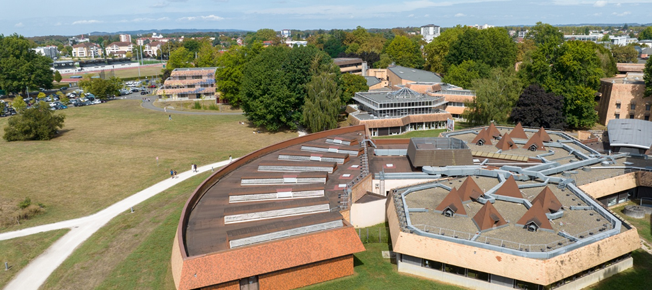
And finally, learning also happens outside the classroom. Pau in June is a wonderful place to be, and the course will include a social event, with the possibility to arrange field trips to further enrich the experience.

If you’re looking for a truly end-to-end land seismic training, grounded in reality and focused on operational excellence, we would be happy to share more details.

KeyFacts Energy Industry Directory: Realtimeseismic