 KEYFACT Energy
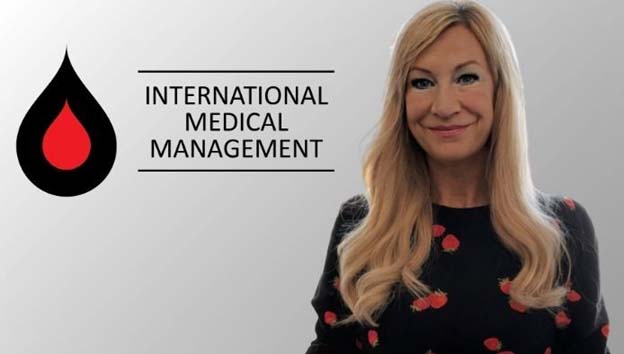
By Louise Slaney, Medical Director at Aberdeen-based International Medical Management (IMM)
April is Stress Awareness Month. It's a focused opportunity to examine how workplace pressures are affecting individuals and operational performance.
In sectors where long shifts, remote locations, and high levels of responsibility are routine, stress is often accepted as part of the job. In my experience working with teams in the energy sector and other high-demand industries, that acceptance can quietly become a liability.
Sustained or unmanaged pressure can affect concentration, decision-making and overall wellbeing. In safety-critical environments, such as the energy sector, this has implications not only for the individual, but for teams and operations as a whole.
Early recognition is key. Persistent fatigue, disrupted sleep, irritability, reduced focus and physical indicators such as elevated blood pressure can all signal that stress levels are becoming problematic. What I see most often is that individuals push through these signs for weeks before anyone intervenes - including the person experiencing them.
Creating an environment where concerns can be raised early - without stigma - is essential.
This is not a theoretical risk. In one recent case, an experienced employee in a business-critical role returned to work following a short absence but showed clear signs of reduced concentration, slower decision-making and declining productivity. While workplace demands were a factor, external pressures, including family health concerns, were also contributing. The individual had continued working despite increasing stress, resulting in reduced effectiveness and a growing risk of error.
Without intervention, situations like this often progress to longer-term absence, with wider operational consequences. In this instance, a timely occupational health review enabled a structured plan to be introduced, including adjusted duties, clearer prioritisation and regular manager check-ins, alongside access to appropriate support services.
This early engagement stabilised performance, reduced risk, and avoided a more prolonged period of absence.
Employers play a central role in enabling this kind of outcome. Clear communication, structured rotas, appropriate rest periods and visible leadership around wellbeing all contribute to healthier and more resilient teams. Access to occupational health support ensures that concerns are assessed appropriately and managed before they escalate.
The message I'd want every manager in a demanding environment to take away is this: stress does not just lead to absence - it often presents first as reduced productivity and increased risk before developing into more significant issues. Addressing it early protects both employee wellbeing and business performance.
At International Medical Management, we work with organisations across several sectors to provide occupational health support and medical guidance tailored to demanding environments. Through assessments, policy advice, and ongoing clinical support, we help businesses manage health risks - including those associated with workplace stress.
Stress Awareness Month is a useful prompt, but building a culture where wellbeing underpins performance is a year-round commitment ... and one that pays dividends in resilience, retention and operational safety.
IMM has launched its Health and Wellbeing Survey to help companies assess workforce health, identify risks and shape targeted support. For more information or to take part, contact info@intmedical.com
Louise Slaney is Medical Director at International Medical Management (IMM) which is based in Aberdeen and provides occupational health, medical and other services to companies in the North-east of Scotland.