 KEYFACT Energy
bp’s latest move into Namibia is more than just another farm-in — it’s a signal of where global upstream capital is heading.
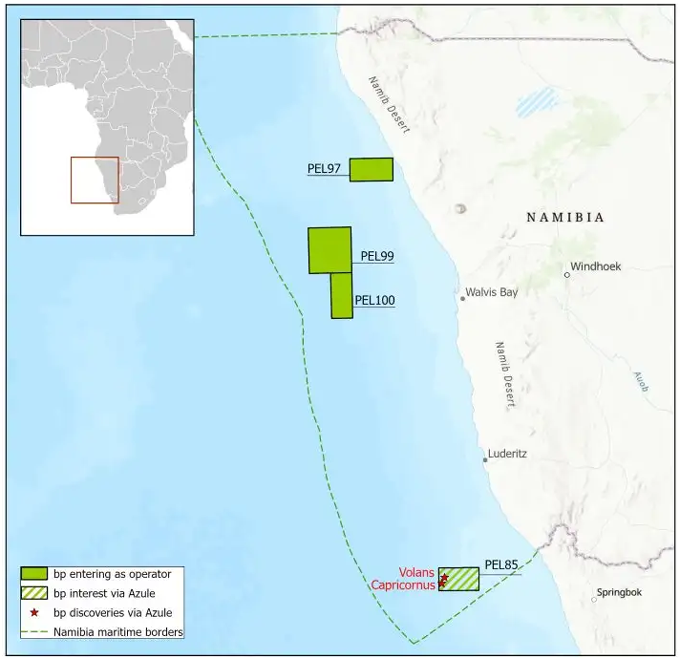
The company has acquired a 60% operating stake in three offshore blocks (PEL 97, 99, 100) in Namibia’s Walvis Basin, marking its first operatorship in the country. The deal includes seismic campaigns and full carry of partners during the exploration phase — a clear commitment to early-stage, high-risk, high-reward acreage.
But the real story is strategic:
Namibia is becoming a global exploration hotspot
Following major discoveries in the Orange Basin, Namibia is now attracting supermajors looking to secure early positions in what could become one of the next major oil provinces globally.
Portfolio “rebalancing” by majors is accelerating
BP’s move reflects a broader shift: after years of energy transition focus, capital is returning to upstream oil & gas to secure long-term reserves and cash flow stability.
Farm-in model is driving frontier exploration
This deal shows how juniors (like Eco Atlantic) are de-risking assets by bringing in majors — combining technical strength with capital efficiency while retaining upside exposure.
High-risk basins are back in play
Unlike the proven Orange Basin, the Walvis Basin is less explored. Entering now means positioning ahead of potential breakthroughs - a classic first-mover advantage strategy.
The bigger picture:
Africa continues to gain relevance in global exploration, with increasing competition among IOCs to capture new reserves as mature basins decline.
This is not just about Namibia - it’s about a global upstream reset, where frontier basins and strategic partnerships will define the next decade of oil & gas growth.
Mohamed Essam, Principal Energy Strategy Consultant l KeyFacts Energy: bp Namibia country profile
KeyFacts Energy: Commentary
